Team Building: Transforming Comfort Zones into Extraordinary Achievements
In today’s busy workplaces, engaging in team-building exercises is a good method for developing essential skills, encouraging individuals to step outside their familiar routines, enabling both personal and professional development.
Published
19 Nov 2024
Updated
19 Nov 2024
Get In Touch
Tell us what your team needs next.
Share your brief, goals, timing, and audience. We'll help shape a programme, experience, or event plan that fits your organisation.
B-29-3A, Tower B, Pavilion Embassy, Kompleks Pavilion Ampang, No 200 Jalan Ampang, 50450 Kuala Lumpur.
In today’s busy workplaces, engaging in team-building exercises is a good method for developing essential skills like effective collaboration and communication. These team-building activities encourage individuals to step outside their familiar routines, enabling both personal and professional development.
The Comfort Zone
The concept of the comfort zone is widely recognised, representing a mental space where individuals feel secure and comfortable, often engaging in familiar tasks without facing significant challenges. While this zone can offer a sense of stability, it may also hamper growth and innovation. If an individual remains bound to his or her comfort zone, it can suppress creativity, and lead to unproductivity, not only for individuals but also for the team. Recognising the limitations of the comfort zone is the first step toward embracing new opportunities for development.
Team-building Activities
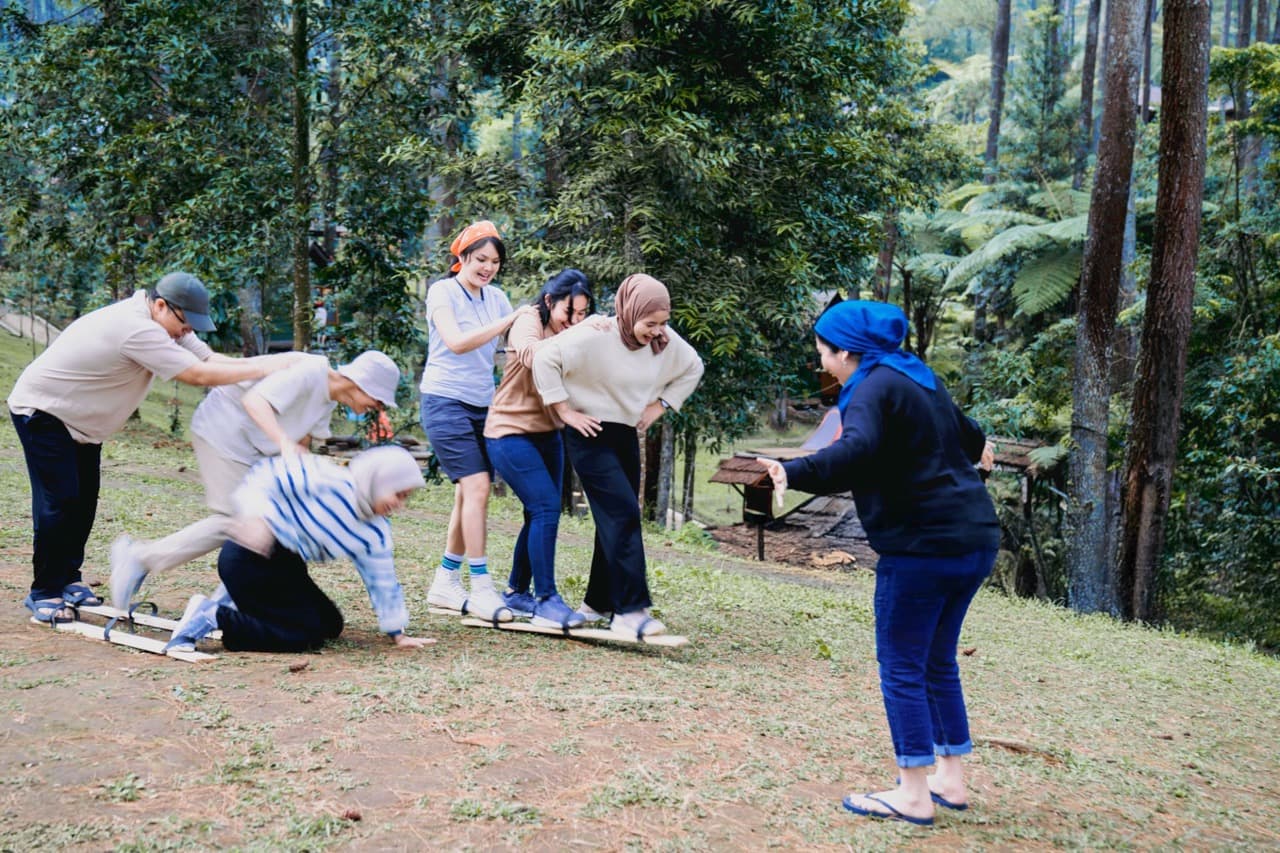
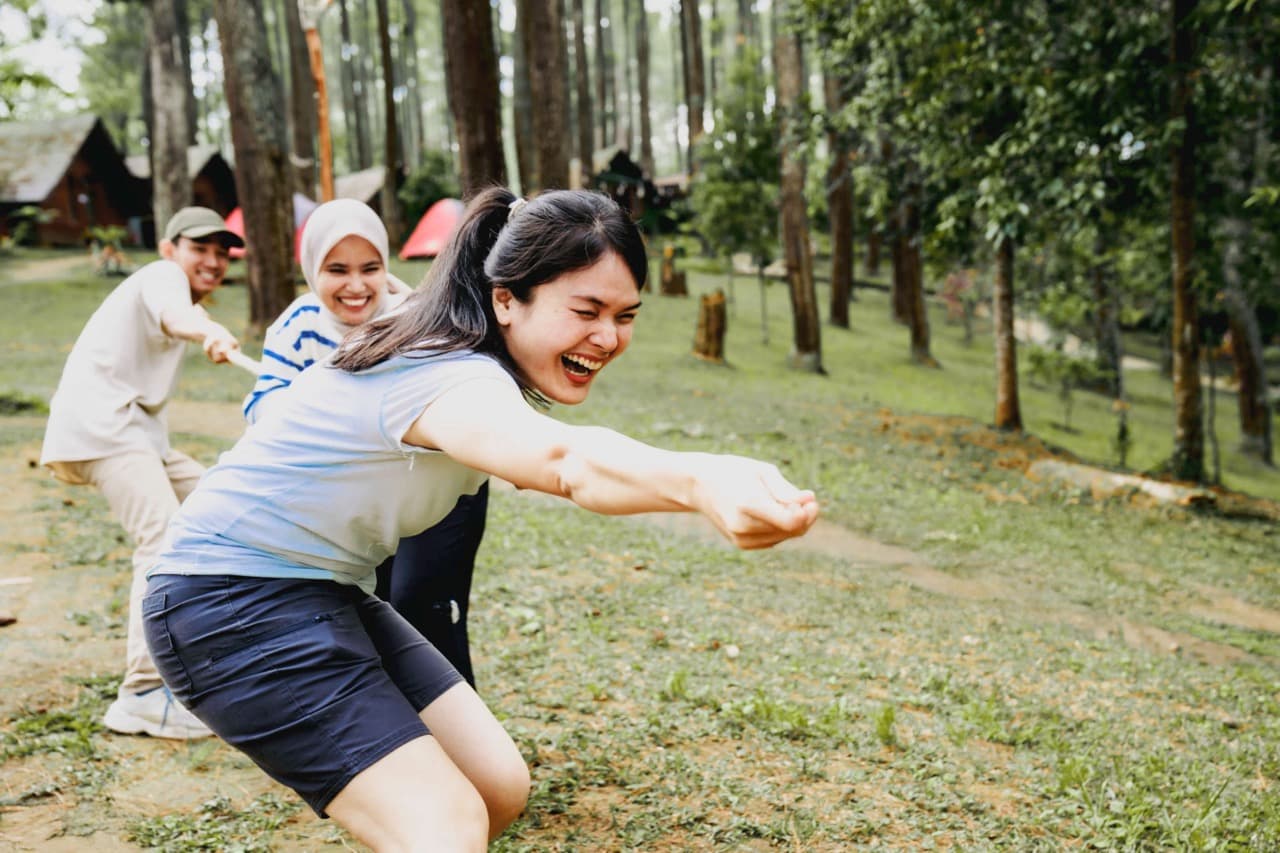
Team-building activities are specifically designed to enhance teamwork, communication, and problem-solving abilities among participants. These initiatives can take many forms, including outdoor excursions, interactive workshops, and creative problem-solving challenges. By participating in these activities, team members are often required to tackle unfamiliar tasks, collaborate in innovative ways, and face challenges collectively, effectively nudging them beyond their comfort zones. This process not only strengthens team cohesion but also promotes an environment where individuals can thrive and discover new capabilities.
Engaging with New Opportunities
One of the significant advantages of team-building exercises is their ability to motivate participants to confront new opportunities. Activities such as navigating a high ropes course, solving puzzles in an escape room, or collaborating in a cooking challenge often get individuals to confront their fears and uncertainties. For example, a person who usually shies away from public speaking might find themselves taking the lead in a group discussion or sharing a creative concept with their peers. These experiences not only push individuals beyond their comfort zones but also encourage personal growth.
As team members are encouraged to explore unfamiliar activities, they begin to depend on one another, which cultivates a strong sense of unity. This collective journey can undo existing barriers and promote openness among participants, allowing them to connect in ways they may not have anticipated. When individuals face challenges as a unified unit, they build trust and enhance their interpersonal dynamics, leading to a more collaborative environment.
Promoting Resilience and Self-Assurance
Venturing outside of familiar territory can be intimidating, yet it plays a crucial role in developing resilience and self-assurance. As team members attempt new tasks and overcome challenges, they experience a sense of achievement that bolsters their belief in their capabilities. This increased self-confidence can have a positive ripple effect in their everyday work, encouraging them to take calculated risks, suggest innovative solutions, and approach complex projects with a renewed sense of determination.
For example, when a team engages in a trust fall exercises, some members may feel apprehensive about falling backward into the arms of their colleagues. However, as they immerse themselves in the activity and feel the support of their teammates, they begin to cultivate trust—not only in their colleagues but also in their own ability to confront their fears. This experience can impact workplace interactions, nurturing a culture of collaboration and openness to sharing ideas.
Encouraging Creativity and Innovation
When team members step outside their usual routines, they become receptive to fresh ideas and viewpoints. Participating in creative team-building exercises, such as brainstorming sessions or artistic challenges, can ignite the spark of innovation. In an environment where individuals feel comfortable sharing their thoughts without fear of criticism, they are more inclined to propose unconventional ideas and investigate various methods for tackling challenges.
During a design thinking workshop, a team might be prompted to generate solutions for a particular issue without holding back their thoughts. The inspiring atmosphere can lead to groundbreaking ideas that may not surface in a conventional meeting, where participants often feel limited by their designated roles or the expectations of their colleagues.
Improving Communication Skills
Strong communication is essential in any collaborative setting. Team-building activities can significantly enhance communication abilities by promoting an environment that promotes open discussions. Many of these activities require participants to collaborate towards a shared objective, which nurtures a spirit of teamwork.
A team scavenger hunt, where members must communicate effectively to plan their approach and allocate tasks makes them understand the significance of clear communication and active listening. As team members engage in these exercises in a more relaxed atmosphere, they refine these skills, making them more proficient in their daily interactions.
Creating Lasting Impact
The influence of team-building exercises often reaches far beyond the immediate activities themselves. When team members confront challenges collectively, cultivate trust, and acquire new skills, they forge a shared narrative that deepens their interpersonal connections. This solid groundwork can significantly enhance collaboration and productivity within the workplace, as individuals become more attuned to each other's strengths and weaknesses.
Team-building activities are essential for organisations aiming to nurture creativity, communication, and teamwork. By encouraging individuals to step outside their comfort zones, these initiatives enable team members to tackle new challenges, build resilience, and form enduring relationships. As teams participate in shared experiences, they not only refine their skills but also cultivate a dynamic environment of support and innovation. Ultimately, venturing beyond familiar boundaries leads to personal growth, enhanced team unity, and a more efficient workplace.
Traworld Tour specialises in creating unforgettable team adventures for organisations of all sizes and industries. Going beyond traditional activities, Traworld designs travel-centric team-building company trips and events that promote collaboration, ignite creativity, and align with the client's purpose and objectives, ensuring a lasting impact on teams.
Stay in the loop
Thoughtful reads for teams planning better corporate experiences.
We share articles, planning ideas, and practical insights across training, team building, retreats, and events without overwhelming your inbox.