The first generation to grow up entirely in the digital age, Generation Z, popularly known as Gen Z, are individuals born between 1997 and 2012. The newest generation to enter the workforce, Gen Z has already transformed workspaces with their values, expectations, and communication styles.
Understanding Gen Z's Characteristics
Known as Digital Natives, Gen Z is highly proficient with technology due to growing up with smartphones, social media, and the Internet. This generation values authenticity, preferring genuine interactions that align with their beliefs. Many Gen Z individuals also exhibit an entrepreneurial spirit, showing interest in entrepreneurship and side hustles. They prioritise mental health awareness and are perceived to have shorter attention spans due to the abundance of digital content. They also tend to be financially cautious and prioritise financial security.
Gen Z At Work
Their approach to work and team dynamics reflects their digital upbringing. They are known for their ability to adapt quickly to new technologies and their preference for a flexible work environment. Unlike their Baby Boomer, Gen X, and Millennial colleagues, Gen Z prefers quick, interactive, and visual communication over lengthy emails or formal meetings. They also prioritise work-life balance and are drawn to workplaces that offer flexibility and opportunities for personal growth.
Gen Z is reshaping traditional norms and expectations at workplaces globally and employers must understand how to effectively engage this generation through team-building activities, which is crucial for attracting and retaining top talent, alongside developing a productive and united work environment.
Why Team Building Matters for Gen Z
Unlike their older and more structured teammates, for Gen Z, team building is more than just a formal exercise. For them, it is an excellent avenue to create genuine connections and align with their values.
Effective team building activities can help address the following aspects:
Building Relationships
Gen Z values meaningful connections with colleagues. Team building helps break down barriers and promote a sense of camaraderie, which is essential for collaboration and a positive work environment.
Enhancing Communication
With their preference for digital communication, interactive and tech-savvy team building activities can help improve face-to-face communication skills and encourage open dialogue among team members.
Encouraging Collaboration
Team building activities that require teamwork and problem-solving can enhance their ability to work effectively with others and leverage diverse perspectives.
Aligning with Values
Team building activities that incorporate values such as sustainability and social responsibility can strengthen their commitment to the organisation.
Effective Team-Building Strategies for Gen Z
To engage Gen Z effectively, team-building activities should be designed with their preferences and values in mind. Here are some strategies to consider:
Incorporate Technology and Gamification
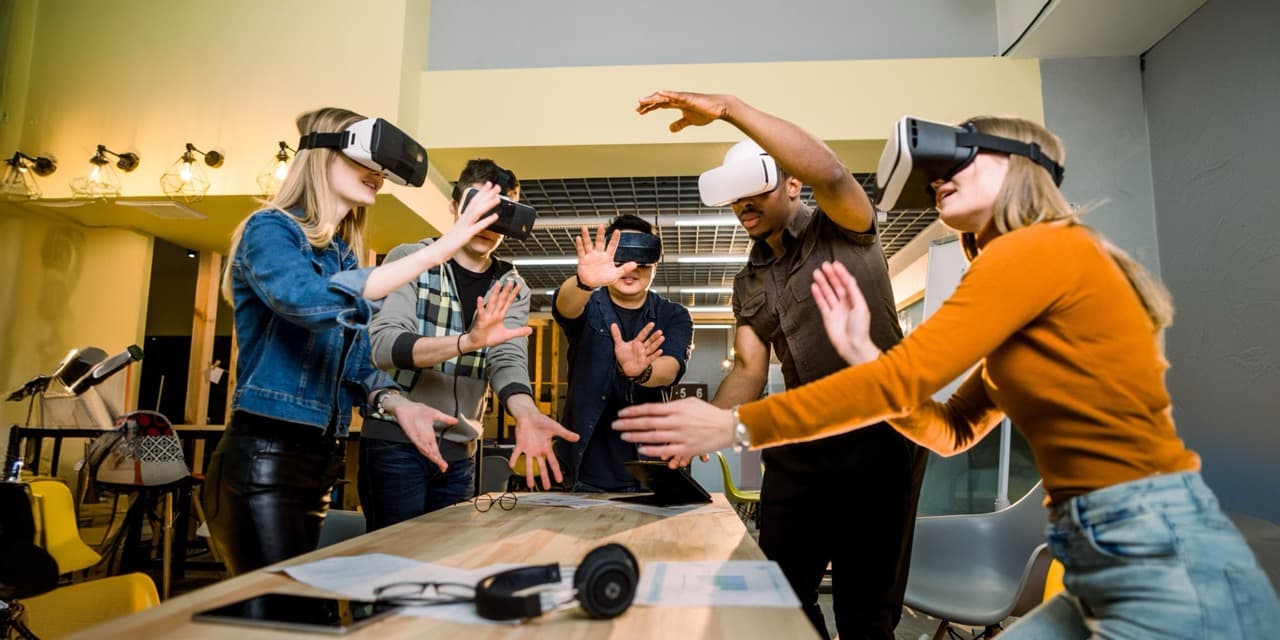
Leverage technology and gamification to create engaging and interactive experiences. Virtual reality (VR) games, online escape rooms, and mobile apps can make team-building fun and relevant to a tech-savvy generation.
Focus on Purpose and Impact
Gen Zers are motivated by activities that have a clear purpose and contribute to a greater cause such as charity fundraisers or volunteering events that can align with their desire to make a difference.
Promote Inclusivity and Diversity
Team building activities should reflect and celebrate the diverse backgrounds and perspectives of Gen Z employees.
Offer Flexibility and Choice
Offering a range of options and allowing them to choose can increase engagement and ensure that the activities resonate with their individual preferences.
Emphasise Learning and Development
Gen Z values opportunities for personal and professional growth. These could include workshops on skills development, leadership training, or creative problem-solving.
Create Interactive and Visual Experiences
Gen Z prefer interactive and visual content. Activities that involve hands-on experiences, visual storytelling, and interactive simulations can capture their attention and keep them engaged.
Encourage Feedback and Reflection
Provide opportunities for Gen Z team members to share their feedback and reflect on the team-building experience. Understanding their perspectives can help tailor future activities and demonstrate that their opinions are valued.
Leverage Social Media and Digital Tools
Incorporate social media and digital tools into team building activities. For instance, create a dedicated hashtag for the event and encourage participants to share their experiences and achievements online. This not only adds a fun element but also allows for real-time engagement and recognition.
Measuring Success and Impact
To ensure that team-building activities are effective, it's important to measure their success and impact. Get feedback from participants to assess their satisfaction and the extent to which the activities achieved the desired outcomes. Use this feedback to make improvements and refine future team-building efforts.
Equally important is considering aspects such as increased collaboration, improved communication, and enhanced employee morale. Tracking these markers can help demonstrate the value of team building activities and their contribution to a positive and productive work environment.
Team building for Gen Z requires a fresh approach that aligns with their values, preferences, and digital native status. By incorporating technology, focusing on purpose, promoting inclusivity, and offering flexibility, organizations can create engaging and impactful team building experiences that resonate with this generation. Understanding and adapting to the unique characteristics of Gen Z not only enhance their work experience but also promotes a more united and motivated team, ultimately contributing to the organisation's success.
Stay in the loop
Thoughtful reads for teams planning better corporate experiences.
We share articles, planning ideas, and practical insights across training, team building, retreats, and events without overwhelming your inbox.