Strengthening Positive Relationships Through Team Building
Investing in your employees’ relationships creates a thriving, productive work environment. Find out strategies that will help your team get through challenges and soar to success in this article.
Published
17 Oct 2024
Updated
17 Oct 2024
Get In Touch
Tell us what your team needs next.
Share your brief, goals, timing, and audience. We'll help shape a programme, experience, or event plan that fits your organisation.
B-29-3A, Tower B, Pavilion Embassy, Kompleks Pavilion Ampang, No 200 Jalan Ampang, 50450 Kuala Lumpur.
A positive work environment is the foundation for productivity and employee well-being. - Entrepreneur & Author, Dax Bamania
A supportive work environment is crucial for both employee productivity and well-being, as emphasised by entrepreneur and author Dax Bamania. Building strong relationships among team members is key to improving team dynamics in today’s competitive work environment.
When employees feel valued, respected, and connected to their colleagues, it enhances collaboration and raises overall productivity and morale. Read on to find out the importance of promoting positive workplace relationships and practical strategies for their development and maintenance.
The Importance of Positive Relationships in Teams
Enhanced Communication
Effective communication is the most important quality that any successful team must have. When there are positive relationships, team members feel comfortable expressing their thoughts and ideas openly. Having trust with one another, they are more likely to share feedback and collaborate, which in turn, leads to improved problem-solving and innovation.
Increased Collaboration
When teams have strong interpersonal relationships with one another, they tend to collaborate more effectively. Trust among team members make it possible for them to reply one each other’s strengths and expertise, which encourages a shared sense of responsibility. The collaboration results in higher-quality outcomes, as different perspectives are taken into account in the decision-making process.
Boosted Morale and Job Satisfaction
Employees that have positive relationships with their colleagues are more likely to enjoy their work environment. A supportive atmosphere contributes to higher job satisfaction, leading to lower turnover rates. Employees who feel connected to their team are often more engaged, motivated, and committed to their work.
Resilience in Challenges
Challenges are a part of working life. Whether it’s tight deadlines, shifting priorities, or external pressures, teams with strong relationships are more resilient when faced with obstacles. Trust and support allow team members to navigate these difficulties together, encouraging a problem-solving mindset that can transform challenges into opportunities for growth.
Strategies for Building Positive Relationships
Encourage Open Communication
One of the best ways to encourage better communication is ensuring staff have the opportunity to have open communication among one another. Having regular check-ins through team meetings, one-to-one sessions or informal catch ups create a workplace environment where individuals feel comfortable voicing their thoughts and concerns without fear of judgment.
Promote Team Building Activities
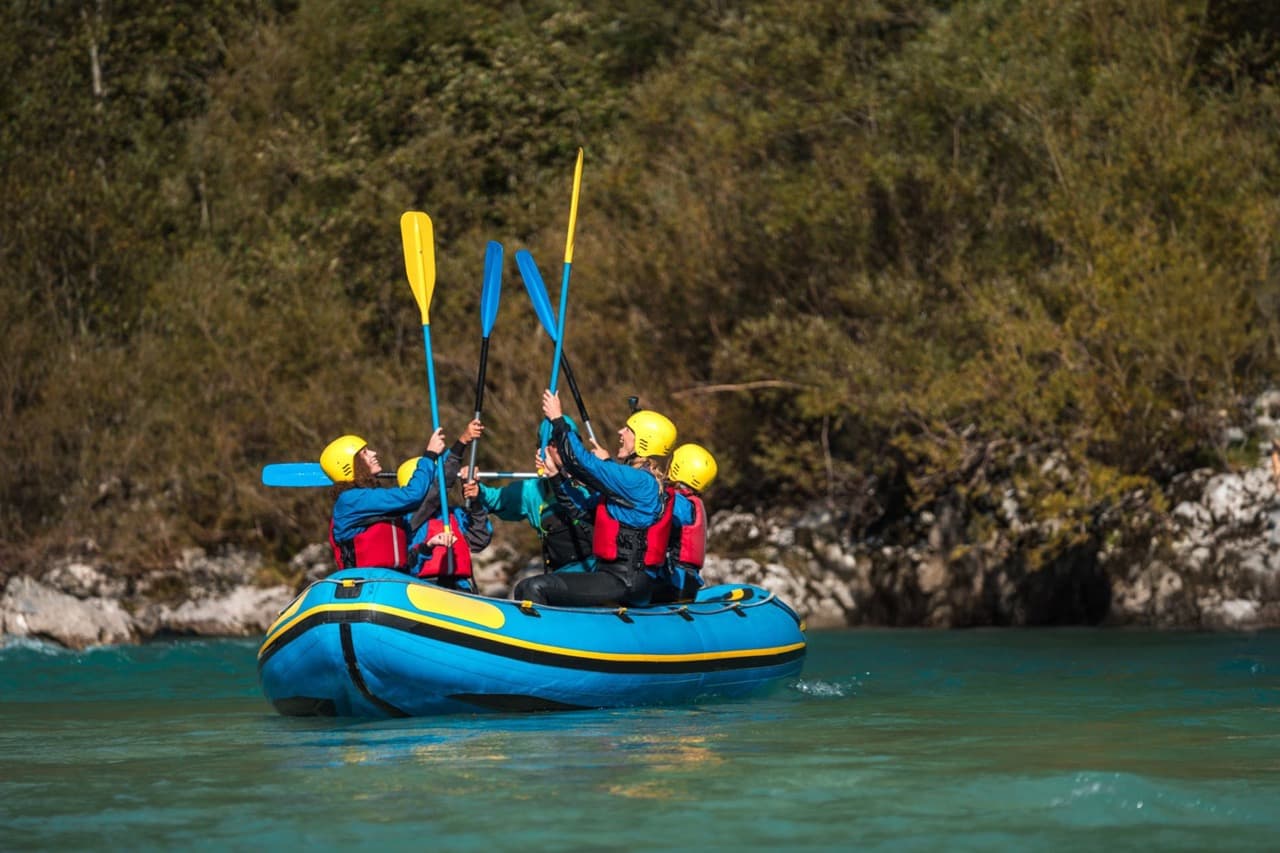
Companies should organise team building activities to strengthen relationships outside the usual office environment and responsibilities. Activities such as workshops, retreats, or fun outings give team members the chance to bond over their share experiences. These activities can help break down barriers and create a sense of camaraderie that creates positive changed in the workplace.
Recognise and Celebrate Achievements
When individuals or teams are recognised for their achievements, they experience a sense of appreciation that gives an impact on their daily work routine. Regularly celebrating successes, whether big or small, reinforces the value each member brings to the team. Recognition can take many forms, from shout-outs in meetings to more formal awards, and it helps to create a happy and positive atmosphere.
Encourage Inclusivity and Diversity
There is not just strength in diversity, but also creativity. A diverse team provides different perspectives and experiences that can enhance creativity and innovation. Organisations can encourage inclusivity by ensuring that all voices are heard and valued and create opportunities for team members to share their backgrounds and ideas, promoting a culture of respect and understanding.
Offer Support and Resources
It is crucial for team members to feel like they have support from their employer. Providing resources such as training, mentoring, and coaching opportunities, will allow team members to feel that their growth is prioritised, and in turn, they are more likely to invest in the success of the team.
Good leadership
Leadership plays a significant role in shaping team dynamics. Leaders should model positive behaviours, such as active listening, empathy, and respect. By demonstrating these qualities, leaders set the tone for the team and encourage members to engage in similar behaviours.
Overcoming Challenges
Despite best efforts, challenges in building positive relationships may arise. Conflicts, misunderstandings, and personality clashes can hinder team dynamics. Here are some approaches to overcoming challenges:
Address Conflicts Early
Addressing any conflicts that arise quickly and constructively can prevent them from escalating. Encourage open dialogue between conflicting parties, allowing them to express their perspectives and work towards a resolution.
Provide Conflict Resolution Training
Equip team members with the skills to handle conflicts effectively. Training in conflict resolution can empower individuals to address issues constructively, promoting healthier relationships.
Seek External Support
If necessary, engage with external facilitators or coaches to help navigate complex team dynamics. Sometimes bringing in a neutral third party can provide fresh insights and negotiation strategies, helping to resolve longstanding conflicts.
Strengthening team dynamics through positive relationships is not just beneficial—it's essential for a thriving workplace. The effort invested in building and maintaining these relationships pays off in improved morale, increased productivity, and a more enjoyable work environment.
Traworld Tour specialises in creating unforgettable team adventures for organisations of all sizes and industries. Going beyond traditional activities, Traworld designs travel-centric team building company trips and events that promote collaboration, ignite creativity, and align with the client's purpose and objectives, ensuring a lasting impact on teams.
Stay in the loop
Thoughtful reads for teams planning better corporate experiences.
We share articles, planning ideas, and practical insights across training, team building, retreats, and events without overwhelming your inbox.