In life, change is inevitable. In business, change is vital! - Warren Bennis, American leadership expert
The dynamic nature of the business landscape often involves changes in strategy, objectives, and leadership. These changes can impact employees in different ways; some may feel uncertain, while others might feel disconnected and resistant to new directions being implemented within the company.
However, participating in team building activities can greatly help employees realign with the company's latest objectives. By nurturing collaboration, communication, and camaraderie, these activities can get teams back on track and encourage a sense of shared purpose.
Understanding Employee’s Perspectives on Company Realignment
When a company undergoes a change in direction—whether because of market demands, technological innovations, or internal restructuring, employees often experience a range of emotions. Concerns about job security, anxiety about adjusting to new responsibilities, and uncertainty about the future can create a negative work environment. Such feelings may result in disconnection, which in turn takes a toll on productivity and employee morale.
The Importance of Communication
The launch of a new company direction often disrupts existing communication dynamics among employees. This shift can understandably leave staff feeling uncertain about their future roles, resulting in confusion and potential misinformation. Engaging in team building activities can facilitate open discussions, offering a supportive environment for employees to voice their concerns, seek clarification, and share their perspectives on the changes.
Structured team building activities, such as workshops and brainstorming sessions, promote an atmosphere that encourages employees to share their perspectives freely. This method not only addresses potential misunderstandings but also empowers employees to embrace new directions with a sense of ownership. When individuals feel recognised and valued, they are more likely to engage positively with changes.
Building Trust and Relationships
Successful teams thrive on a foundation of trust. During periods of organisational change, established relationships can be strained, leading to a decline in trust. Engaging in team building activities is beneficial in restoring this essential trust. Collaborative exercises enable employees to depend on one another while appreciating each other's unique strengths.
An example is an outdoor challenge course, where teamwork is crucial for overcoming various obstacles. These activities demand effective communication, strategic planning, and mutual support. By facing challenges collectively, employees strengthen their bonds and rebuild trust, which is vital for successfully adapting to the new direction of the company.
Developing a Sense of Belonging
During the transition period, employees often experience feelings of isolation or detachment from the organisation. Engaging in team building initiatives can encourage a sense of community, emphasising that all members contribute to a shared mission. When individuals believe themselves as integral to a supportive team, they are more inclined to accept the organisation’s new direction.
Activities that promote inclusivity and celebrate diversity, such as cultural exchange events or shared lunches, can facilitate connections among employees through common experiences and backgrounds. This enhanced sense of belonging can lighten feelings of uncertainty and cultivate a more unified workplace.
Encouraging Collaboration and Innovation
A shift in company direction frequently requires the introduction of fresh concepts and creative approaches. Engaging in team building activities can encourage innovation and teamwork, prompting employees to explore unconventional solutions.
For example, organising a brainstorming session that invites teams to propose ideas for executing the new strategy can enhance enthusiasm and involvement. When employees perceive their input as significant, they are more inclined to align with the organisation's objectives.
Aligning Goals and Objectives
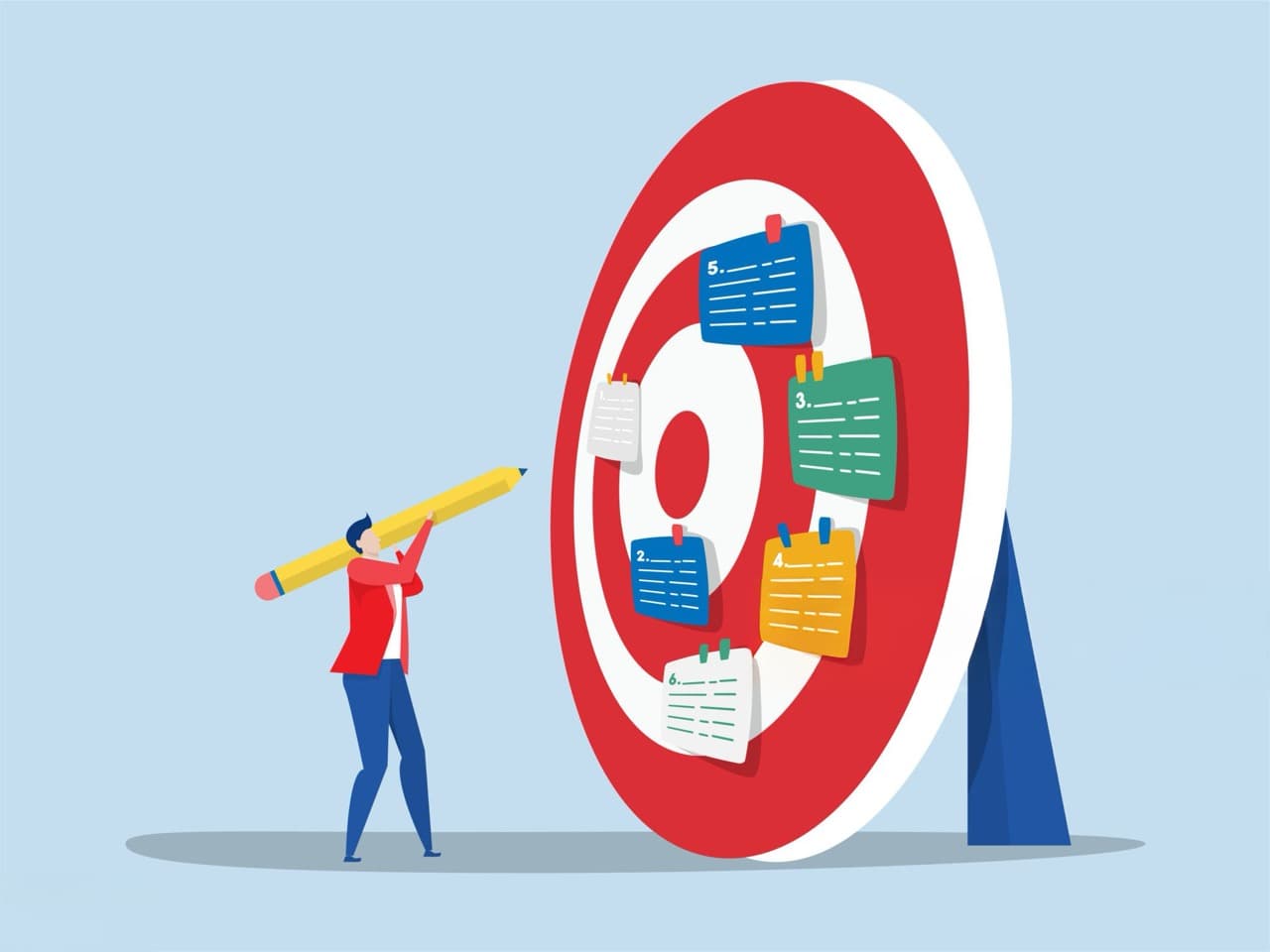
Team building activities can realign individual and team goals with the company’s new objectives. Workshops that focus on goal setting can help employees understand how their roles contribute to the larger vision. By discussing how individual tasks align with the company’s goals, employees can see the bigger picture and understand their significance within the organisation.
Facilitated discussions can help clarify expectations and ensure everyone is on the same page. When employees have a clear understanding of how their work aligns with the company's objectives, they are more likely to feel motivated and engaged.
Creating a Positive Company Culture
Ultimately, team building activities contribute to a positive company culture that supports adaptability and resilience. When employees feel connected, trusted, and empowered, they are better equipped to handle change. A strong culture promotes an environment where employees are more willing to embrace new challenges and support one another.
Companies that prioritise team building are likely to experience lower turnover rates and higher employee satisfaction. A positive culture not only attracts top talent but also enhances the organisation’s reputation in the marketplace.
Investing in team building not only enhances employee engagement but also reinforces the idea that everyone plays a vital role in the company's success. As organisations go through changes, they must recognise the importance of supporting their teams through this journey. With the right approach, team building can turn uncertainty into opportunity, guiding employees toward a shared vision and a brighter future.
Traworld Tour specialises in creating unforgettable team adventures for organisations of all sizes and industries. Going beyond traditional activities, Traworld designs travel-centric team building company trips and events that promote collaboration, ignite creativity, and align with the client's purpose and objectives, ensuring a lasting impact on teams.
Stay in the loop
Thoughtful reads for teams planning better corporate experiences.
We share articles, planning ideas, and practical insights across training, team building, retreats, and events without overwhelming your inbox.