Establishing Trust: A Guide to Team Building for High-Performing Teams
Trust among team members is crucial for success. Our latest article explores how team-building activities promote open communication, collaboration, and empathy, laying the foundation for high performance.
Published
24 Oct 2024
Updated
24 Oct 2024
Get In Touch
Tell us what your team needs next.
Share your brief, goals, timing, and audience. We'll help shape a programme, experience, or event plan that fits your organisation.
B-29-3A, Tower B, Pavilion Embassy, Kompleks Pavilion Ampang, No 200 Jalan Ampang, 50450 Kuala Lumpur.
In the current competitive business environment, building trust among team members is essential for achieving success. While individual skills are crucial, top-performing teams thrive when they can work together smoothly. Trust forms the foundation of this collaboration, promoting open communication, sparking innovation, and creating a unified sense of purpose. One powerful way to nurture trust among team members is through engaging in team-building activities. These activities help build personal connections, deepen mutual understanding, and ultimately boost overall performance.
The Importance of Trust in Teams
Trust is the foundation of every high-performing team. When it's present, it empowers members to share their ideas openly, embrace calculated risks, and lend a hand to each other without hesitation. Teams with a strong sense of trust can tackle obstacles with greater ease, leading to boosted productivity and higher morale. On the flip side, the absence of trust often breeds misunderstandings, friction, and a negative workplace atmosphere.
Team Building Activities as Trust Builders
Team building activities are structured opportunities for members to strengthen relationships and enhance teamwork. These exercises come in various formats—whether it's outdoor adventures, engaging workshops, or simple icebreaker games. Here’s how they play a key role in cultivating trust:
Encouraging Open Communication
Team-building activities offer a comfortable environment for team members to communicate more freely. In these relaxed settings, individuals often feel more inclined to share their thoughts, experiences, and ideas. For example, during an informal team outing or an icebreaker activity, people can speak openly without the usual pressure of work-related expectations. This openness helps build understanding and strengthens relationships, ultimately laying a foundation of trust.
Promoting Collaboration
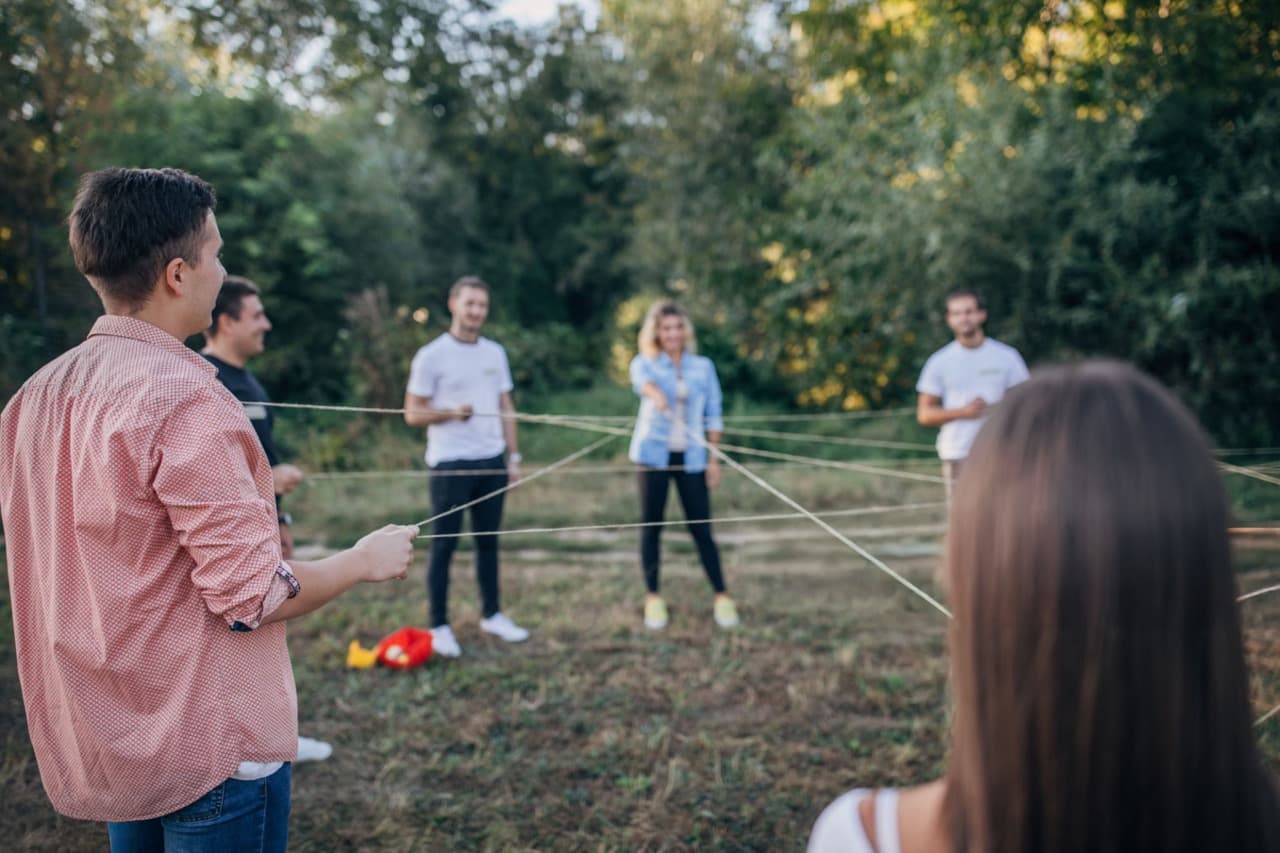
Collaboration is at the heart of a high-performing team. Team-building exercises frequently involve working together toward a common objective. Whether it's solving a complex puzzle, tackling a physical challenge, or brainstorming in a group workshop, these activities encourage team members to lean on each other’s strengths. Through collaboration, individuals come to appreciate the unique contributions of their colleagues, nurturing mutual respect and building trust.
Enhancing Empathy and Understanding
Recognising individual differences is essential in a diverse workplace. Team-building sessions provide a chance for colleagues to connect beyond their professional roles. Sharing personal stories, cultural backgrounds, or unique skills allows team members to develop empathy for one another. As they come to understand different perspectives and challenges, they are more likely to build trust, creating a stronger team dynamic.
Building a Supportive Environment
Successful teams flourish when they operate in environments where members feel comfortable expressing their vulnerabilities. Team-building exercises play a key role in encouraging this atmosphere by nurturing a sense of belonging. Activities that encourage participants to share personal challenges or future aspirations help individuals feel recognised and appreciated. This sense of connection is essential for building trust, as it motivates team members to stand by each other through both achievements and setbacks.
Encouraging Accountability
Trust and accountability go hand in hand. Many team-building activities focus on shared responsibility, emphasising that every member is accountable to the group. When people see their teammates commit to the team’s goals and hold themselves responsible, trust naturally grows. Additionally, knowing that others will follow through on their promises creates reliability, which is critical for maintaining high performance.
Creating Shared Experiences
Shared experiences are powerful tools for strengthening team bonds. Participating in meaningful activities together creates lasting memories, providing team members with moments to reflect on and reconnect over. These shared moments form the foundation of trust, as participants recall how they collaborated and supported one another during challenges, reinforcing the value of teamwork.
Nurturing a Growth Mindset
Team-building activities also promote a growth mindset. By engaging in exercises that push their limits, team members learn to treat setbacks as opportunities to grow. This collective focus on learning builds resilience and strengthens trust, as members feel more confident taking risks together. Knowing they can count on each other during tough times deepens their connection and enhances mutual support.
Implementing Effective Team Building Activities
To maximise the trust-building potential of team building activities, it’s essential to consider the following:
Diversity: Embrace a variety of activities that appeal to different personalities and interests, promoting an inclusive environment where all team members feel appreciated.
Relevance: Select activities that align with the team's objectives and challenges, enhancing participation and showcasing the organisation's commitment to teamwork.
Debriefing: Conduct debriefing sessions post-activity to reflect on insights gained and explore their application in everyday tasks, reinforcing learning and collaboration.
Frequency: Consistent engagement is key to building and maintaining a collaborative work environment.
Establishing trust in high-performing teams is a continuous effort that demands deliberate effort. Engaging in team-building activities provides essential opportunities to reinforce relationships, encourage open communication, and enhance collaboration. When organisations prioritise these initiatives, they create a trusting environment that significantly boosts team dynamics and overall effectiveness. As team members build stronger bonds and nurture a deeper sense of trust, they not only increase their productivity but also cultivate resilience in overcoming challenges, paving the way for greater achievements.
Traworld Tour specialises in creating unforgettable team adventures for organisations of all sizes and industries. Going beyond traditional activities, Traworld designs travel-centric team building company trips and events that promote collaboration, ignite creativity, and align with client's purpose and objectives, ensuring a lasting impact on teams.
Stay in the loop
Thoughtful reads for teams planning better corporate experiences.
We share articles, planning ideas, and practical insights across training, team building, retreats, and events without overwhelming your inbox.