10 Strategies for Enhancing Team Effectiveness Through Team Building Activities
Steve Jobs believed that teamwork is key to achieving significant business success. Read more in this article to discover how to unlock your team's potential.
Published
11 Sep 2024
Updated
11 Sep 2024
Get In Touch
Tell us what your team needs next.
Share your brief, goals, timing, and audience. We'll help shape a programme, experience, or event plan that fits your organisation.
B-29-3A, Tower B, Pavilion Embassy, Kompleks Pavilion Ampang, No 200 Jalan Ampang, 50450 Kuala Lumpur.
Great things in business are never done by one person; they're done by a team of people. - Steve Jobs
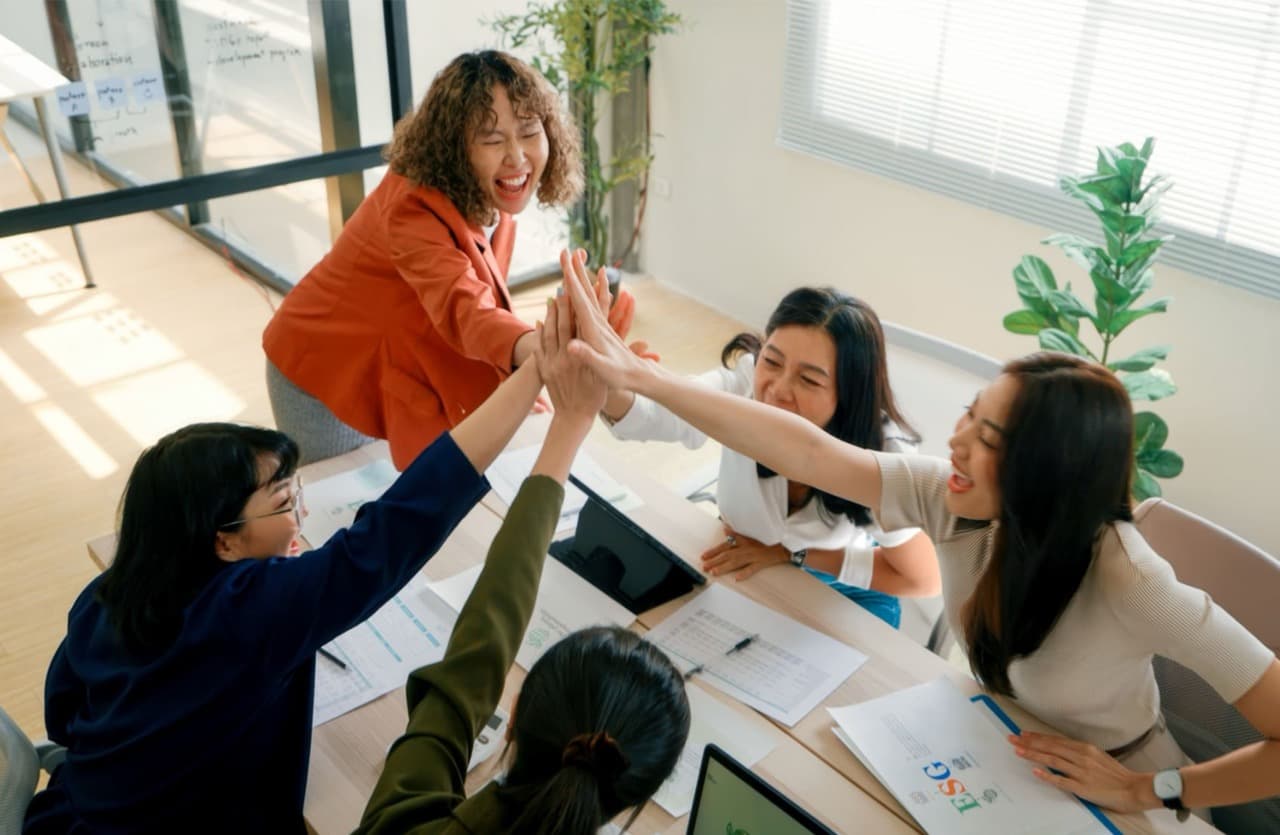
This quote by the co-founder of Apple highlights the essential role of a strong team in achieving workplace success. Team building activities are vital in promoting stronger, more effective teams. Going beyond standard icebreakers, deeper team building activities that enhance communication, trust, collaboration, and motivation can significantly contribute to building a successful team.
Here are 10 ways team building activities can lead to more effective teams:
Enhancing Communication
One of the key outcomes of team building activities is improved communication. Designed to improve the communication skills of team members, team building activities enhance the way they interact with each other. Exercises like role-playing, group discussions, or communication games encourage active listening, articulate expression, and constructive feedback. Improved communication skills provide quick conflict resolutions, leading to a happier and more productive team.
Building Trust
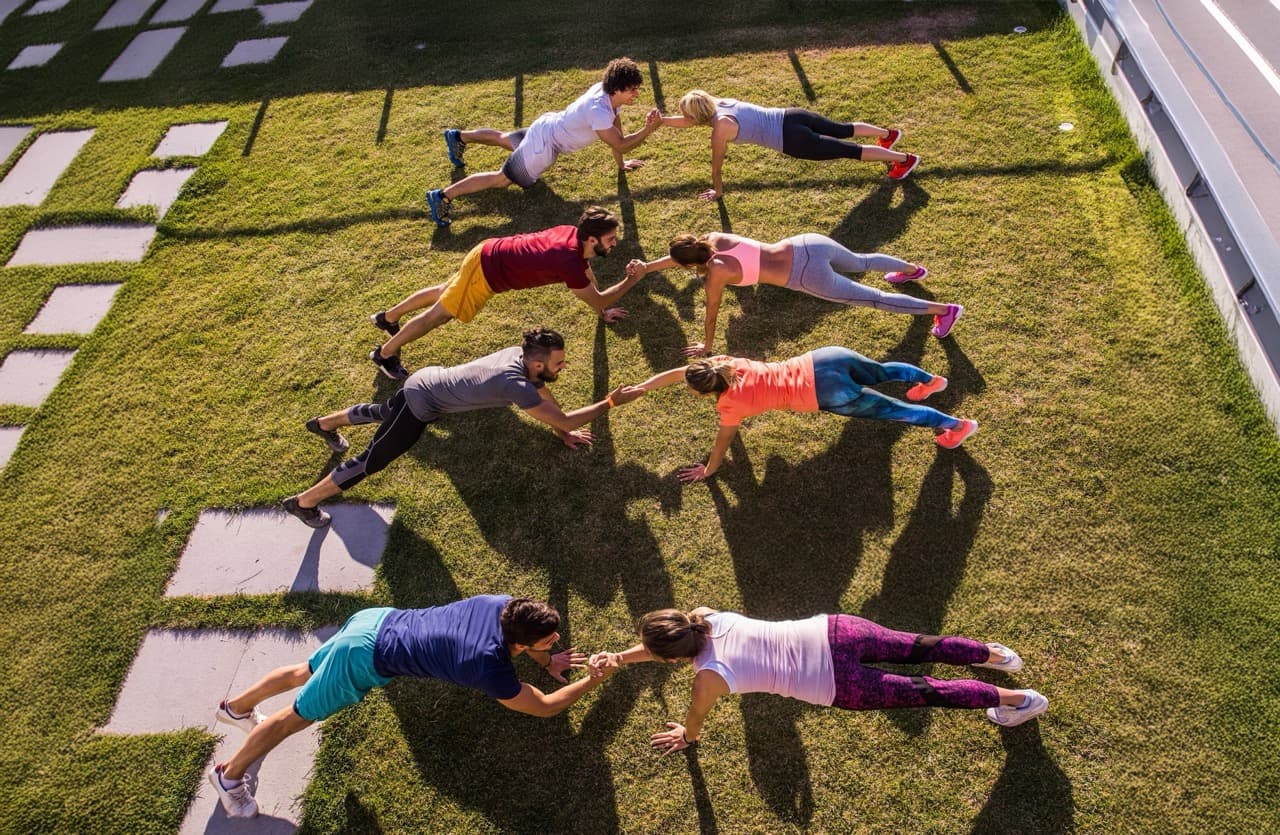
Trust is a necessary element of any successful team. Team building activities that focus on trust-building such as trust falls, team challenges, and personal sharing exercises help to develop strong, trusting relationships among team members. When team members trust each other, they are more likely to collaborate openly, share information freely, and support one another, which enhances overall team effectiveness.
Promoting Collaboration
Collaboration is a key quality when it comes to effective teams. Team building activities that emphasise collaboration, such as problem-solving tasks or group projects, encourage team members to work together and leverage each other's strengths. By working together towards shared objectives, team members learn how to coordinate their efforts, resolve differences, and achieve results more efficiently.
Encouraging Team Bonding
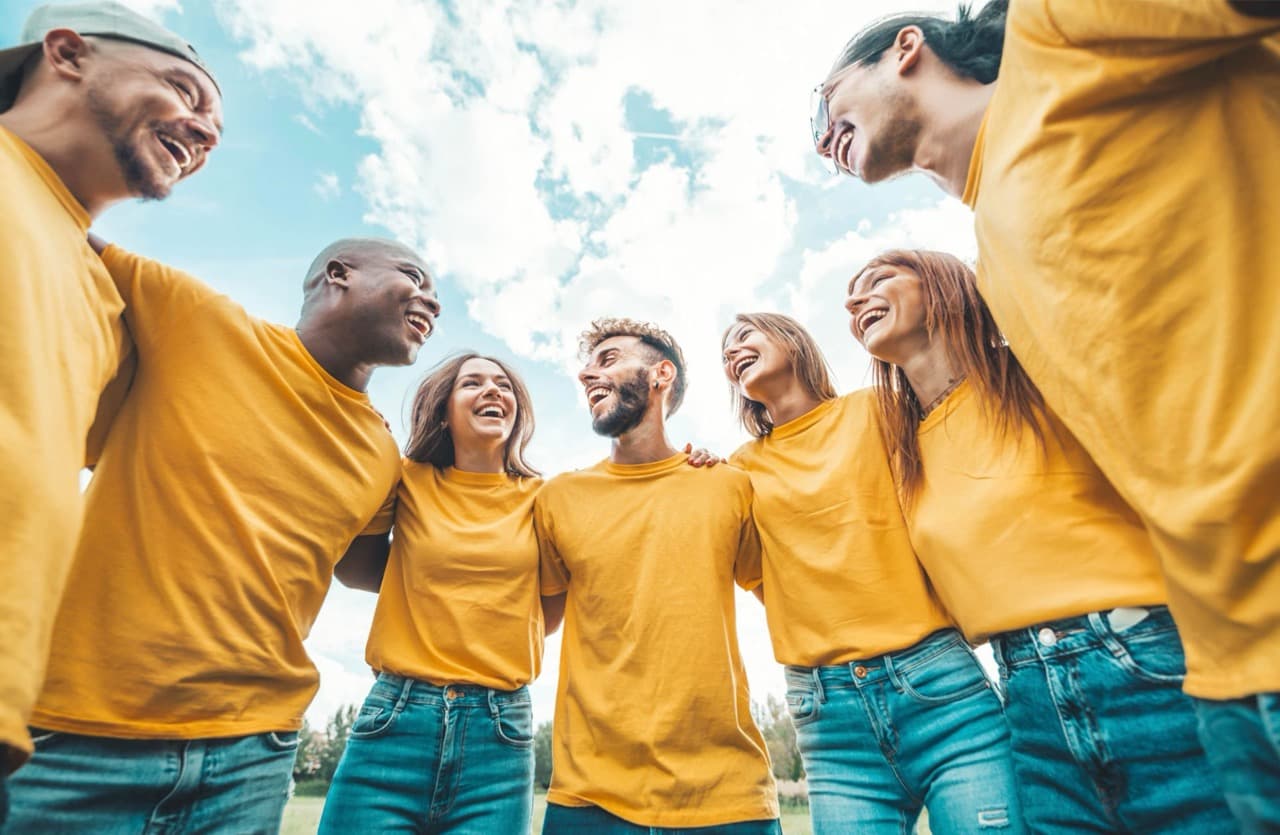
Team building activities that focus on team bonding create opportunities for employees to connect on a personal level. Social events, team outings, and informal gatherings help team members get to know each other beyond their professional roles. These personal connections develop a sense of camaraderie and belonging, making team members more engaged and motivated, enabling team members to work together effectively and contribute to a positive team environment.
Developing Problem-Solving Skills
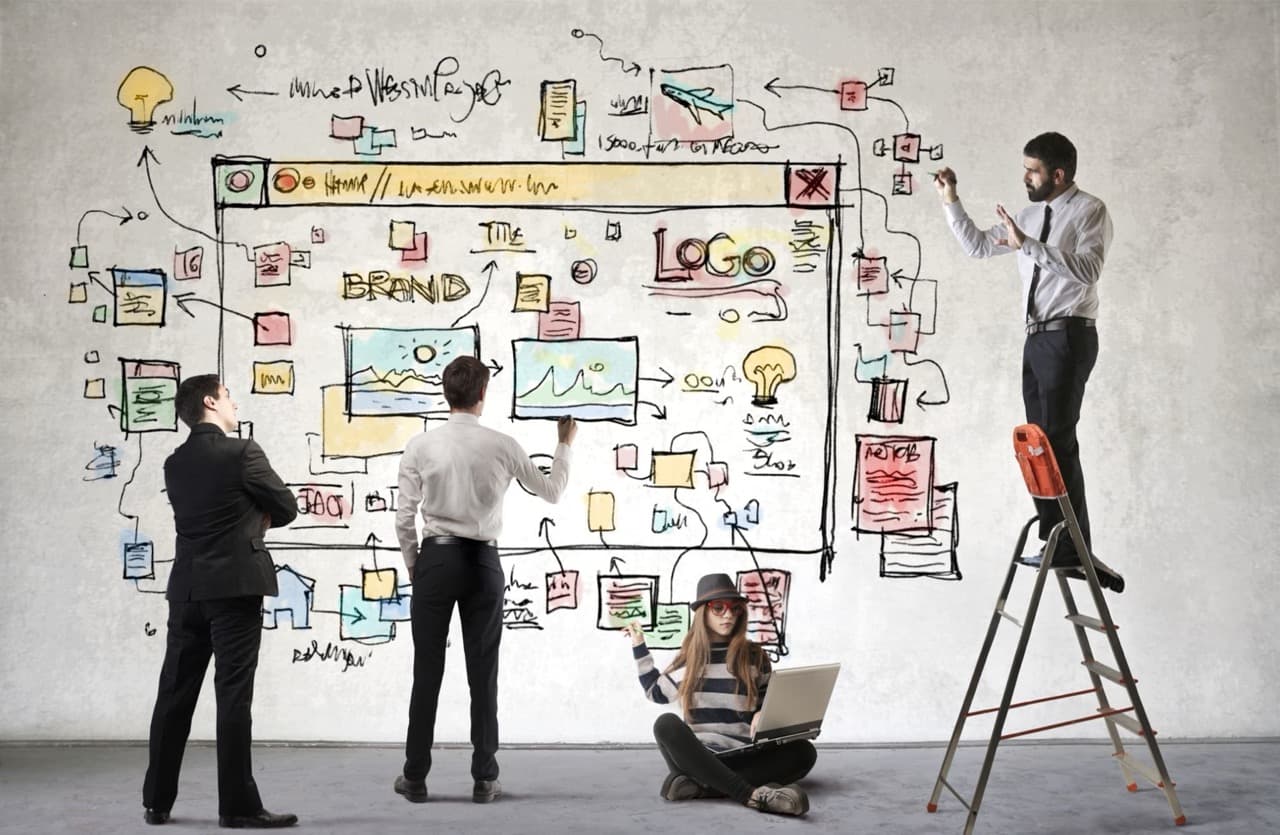
Effective teams are skilled at dealing with challenges and finding innovative solutions. Team building activities that involve problem-solving exercises, such as escape rooms or strategy games, help teams develop critical thinking and creative problem-solving skills and reflect real-life challenges that require collaboration, ingenuity, and resilience. By working together, team members enhance their ability to approach problems systematically, brainstorm solutions, and implement strategies effectively.
Clarifying Roles and Responsibilities
Team building activities focusing on role clarity help team members understand their individual contributions and how they fit into the larger team dynamic. Activities like role-playing or team mapping can help clarify each member's responsibilities and how they align with team goals. When team members have a clear understanding of their roles and how they contribute to the team's objectives, it ensures that everyone is working towards the same goals.
Boosting Morale and Motivation
High morale and motivation are essential for maintaining effective team performance. Team building activities like celebrating team successes, recognising individual contributions, and providing positive reinforcement through team building events help create a supportive and encouraging work environment. When team members feel appreciated and motivated, they are more likely to be engaged, contribute their best efforts, and work effectively as a team.
Enhancing Adaptability
Adaptability is a key quality to achieve team effectiveness. Team building activities such as change management simulations or adaptability challenges prepare teams to handle uncertainty and adjust their strategies as needed. By developing a culture of adaptability through team building, teams are better equipped to respond to changing circumstances and remain effective in achieving their objectives.
Encouraging Accountability
Accountability is crucial for ensuring that team members take responsibility for their actions and contributions. Team building activities that emphasise accountability, such as goal-setting exercises or team challenges with individual responsibilities, help reinforce the importance of personal accountability. By setting clear expectations and holding team members accountable for their roles, team building activities promote a sense of responsibility and commitment to team goals.
Creating a Positive Work Environment
A positive work environment is essential for team effectiveness. Team building activities that focus on creating a positive and inclusive culture contribute to a supportive work environment. Activities that promote respect, appreciation, and inclusivity help build a culture where team members feel valued and supported. A positive work environment encourages collaboration, reduces conflict, and enhances overall team performance.
Team building activities play a vital role in promoting effective teams by enhancing communication, building trust, encouraging collaboration, and boosting morale. By focusing on key elements such as problem-solving, role clarity, adaptability, and accountability, these activities help teams develop the skills and relationships necessary for success. Investing in thoughtful and strategic team building initiatives not only strengthens team dynamics but also drives improved performance and organisational success.
Traworld Tour specialises in creating unforgettable team experiences customised for organisations of all sizes and industries. Going beyond traditional activities, Traworld designs travel-centric team building retreats that promote collaboration, ignite creativity, and fulfil our clients' objectives, ensuring a strong impact on teams.
Stay in the loop
Thoughtful reads for teams planning better corporate experiences.
We share articles, planning ideas, and practical insights across training, team building, retreats, and events without overwhelming your inbox.